Skip to content
Folk Whisperings
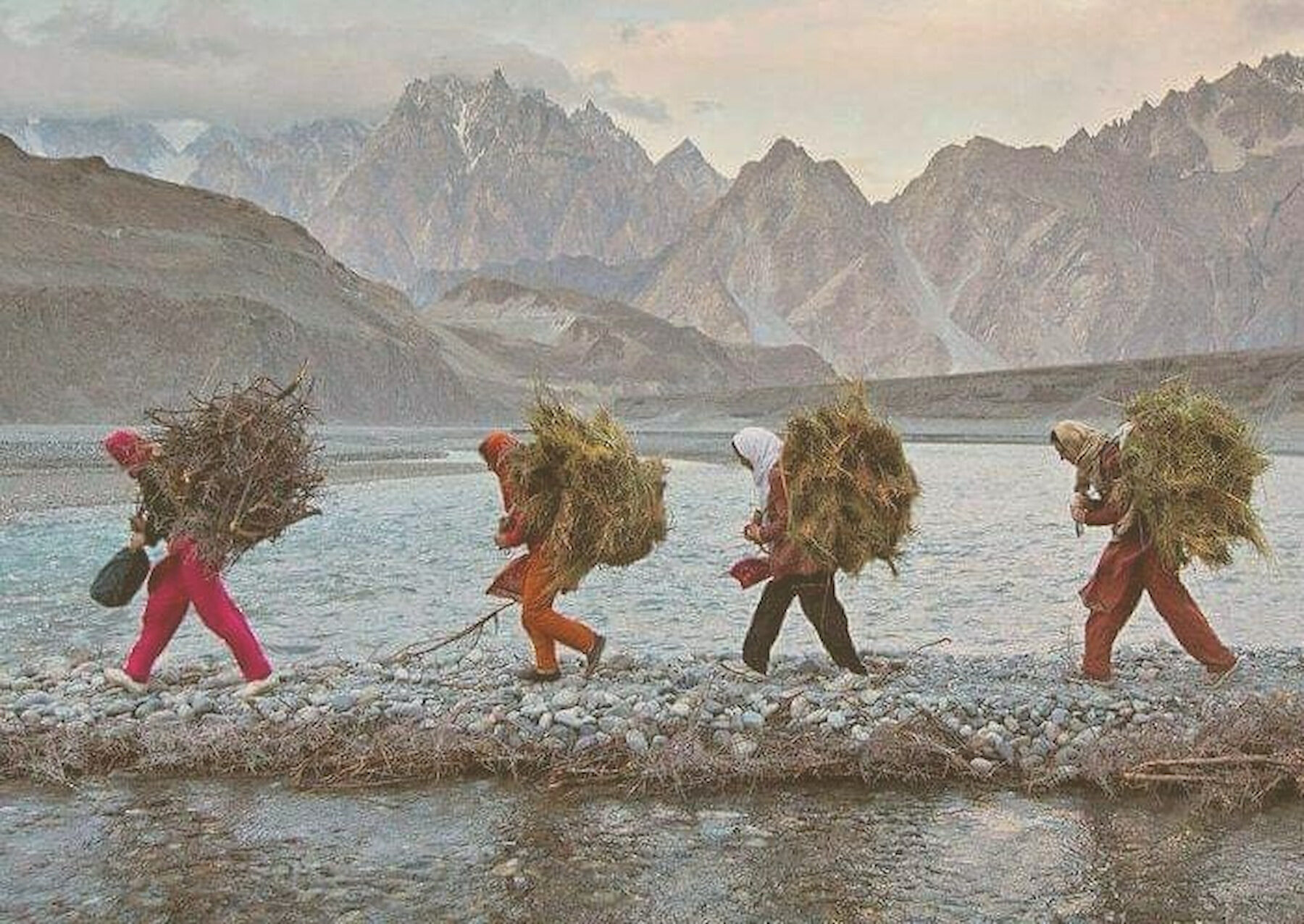
Women carrying bundles of hay along the river beneath the Passu Cones in upper Hunza
← All tours

Trek

Patundas and the Glacier Meadows

Borith, Passu and the balcony above two glaciers

Region
Gojal, upper Hunza
Length
8 days
Group size
Maximum 8
Effort
Moderate
Season
July to September

Patundas is a high summer pasture on the ridge between the Passu and Batura glaciers, and there are few places anywhere that put two glacier systems of that size on either side of you at once.

The walk starts from Borith lake above Husseini, climbs through the old grazing grounds, and camps on the meadow itself. It is a Wakhi valley, and the pastures we cross are still worked, so the route follows the shepherds rather than a trekking agency map.

The trip also spends time down in Gojal: Passu, Husseini, the suspension bridges and the villages that were cut off when the Attabad landslide dammed the river. That history is recent, people remember it clearly, and it explains a great deal about how the valley works now.

Day by day

The itinerary

  1. Day 1Arrive Hunza

    Travel in and a night in Karimabad. Briefing over dinner.

  2. Day 2Up to Gojal

    North along the Hunza river to Passu, past Attabad lake. An easy afternoon walk to the Passu glacier snout.

  3. Day 3Husseini and Borith

    The suspension bridge at Husseini for those who want it, then up to Borith lake. A short acclimatisation walk in the afternoon.

  4. Day 4Borith to Patundas

    The long climbing day, six to seven hours through the pastures to the meadow. Camp on the ridge.

  5. Day 5Patundas

    A full day up top. Walks along the ridge in either direction, with the Batura on one side and the Passu on the other.

  6. Day 6Descent to Passu

    Down off the ridge and back to a bed in the village.

  7. Day 7Gulmit and the valley

    A day in Gojal at valley level: the old settlements, the Wakhi households who host us, and time with people rather than mountains.

  8. Day 8Return and departure

    South to Gilgit and onward travel.

The practical part

What is and is not included

Included

  • Seven nights: guesthouses in Gojal and full service camping on the ridge
  • All ground transport from Gilgit
  • All meals from dinner on day one
  • Local Wakhi guide, cook and porters
  • Camping equipment, tents and group kit
  • A contribution to the documentation fund for every booking

Not included

  • International flights and Pakistan visa
  • Domestic flights to Gilgit
  • Personal trekking equipment and sleeping bag
  • Travel insurance, which is required and must cover trekking to 4,500 metres

Before you commit

Fitness, beds and kit

How hard is it

Moderate. One long ascent of around 1,300 metres on a steep and sometimes loose path, and a descent of the same on tired legs. Everything else is comfortable valley walking. Regular hill walking at home is good preparation.

Where you sleep

Locally owned guesthouses in Karimabad, Passu and Borith, and two nights camping on Patundas. The camping is basic and the meadow has no facilities of any kind.

What to bring

  • Walking boots already broken in
  • A sleeping bag rated to at least minus five
  • Trekking poles
  • Warm layers and a windproof shell: the ridge is exposed and the wind does not stop
  • Strong sun protection, since the glaciers reflect everything
  • A head torch and any medication you need, in original packaging

Responsible travel

Who benefits

Guiding, portering and cooking are hired within Gojal, grazing fees go to the pasture owners, and we camp where the shepherds tell us it is acceptable to camp. A fixed share of every booking funds the recording work.

Cultures on this route

Questions

Asked often

How high is the meadow?
Patundas is around 4,000 metres, and the camp sits a little below the high point of the ridge. We spend two nights lower down first rather than going straight up.
Do we walk on the glaciers?
No. This route looks at them from above. Glacier travel needs equipment and training that this trip does not include.
Is the Husseini bridge compulsory?
Not at all. There is a road route to Borith and nobody is talked into crossing anything.
What language is spoken here?
Wakhi, along with Burushaski and Urdu. Our guides interpret throughout.