In practice that means three things we are building, and one thing we refuse to get wrong.
Programme 01
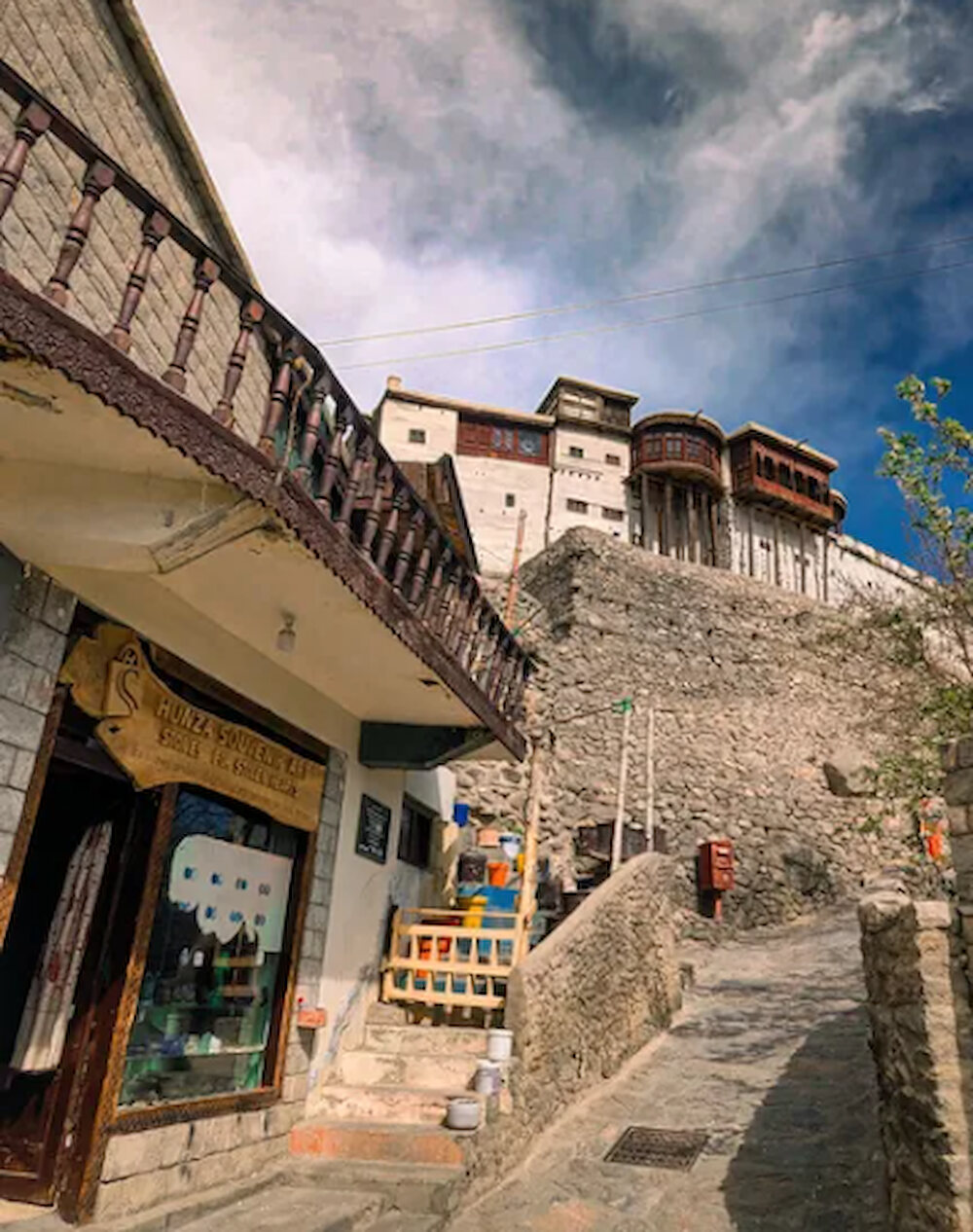
Building the library
Most of what has been recorded in these valleys sits on somebody’s hard drive. A researcher visits, records beautifully, publishes a paper, and the audio is never heard again by the people who made it. We are building the opposite of that.
The library is a working archive of field recordings, photographs, transcriptions and oral histories, catalogued so a specific song, a specific speaker or a specific festival can actually be found again. Every entry records who spoke, where, when, and on what terms they agreed to be recorded.
The first commitment of the archive is to the community it came from. Copies go back to the valley in a form people there can use, and consent covers what happens to a recording later, not only the moment it was made.
Programme 02
Women and the knowledge they hold
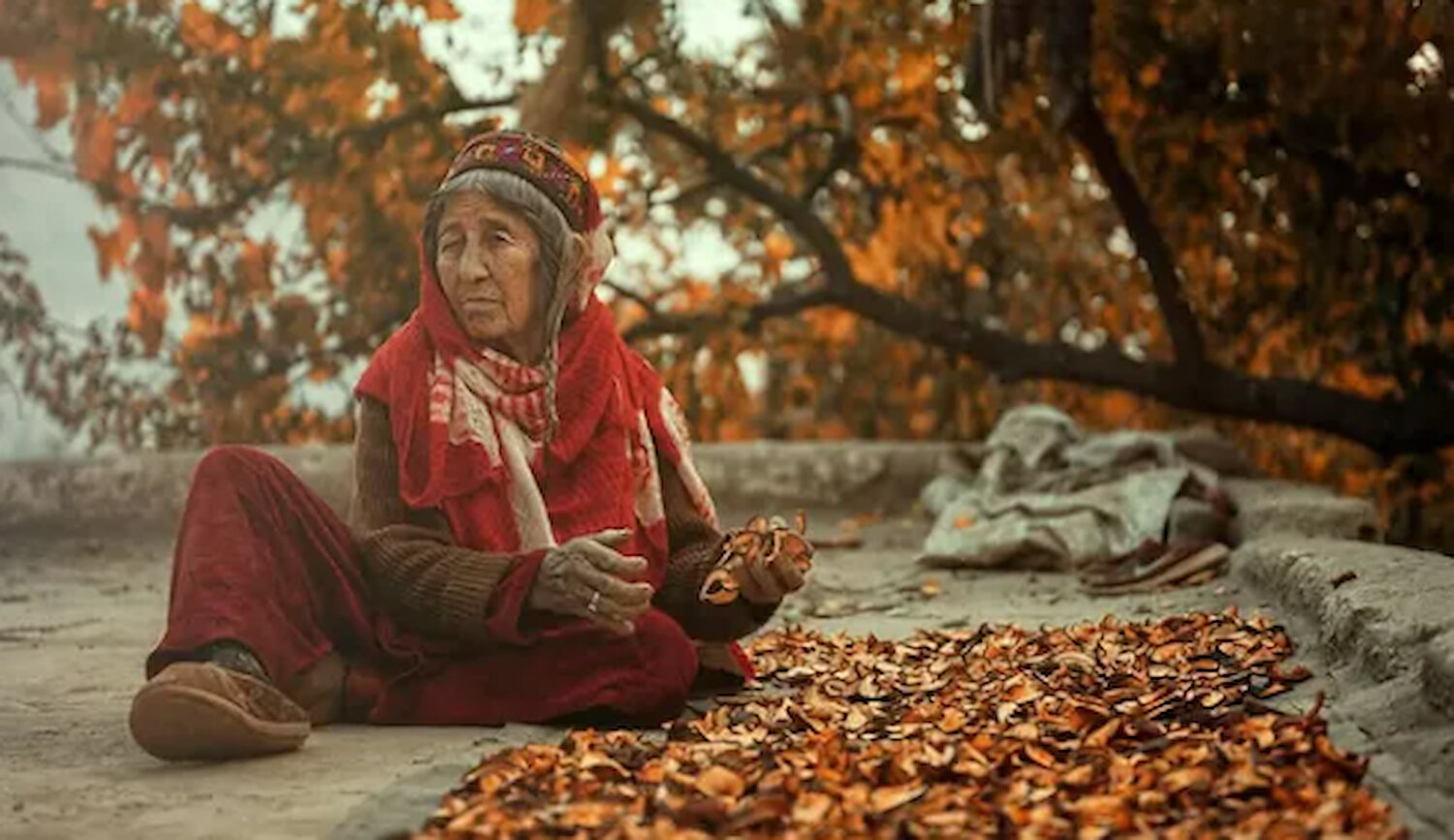
A great deal of what makes these cultures distinct is held by women: the embroidery and the dress, the songs sung at weddings and funerals, the food, the seed, the calendar of the household. It is also the knowledge most easily lost, because it is passed on informally and rarely written down.
The programme works in two directions. First, documentation on their terms: recording the making of a headdress or a dish or a lament with the woman who knows it, credited by name where she wants to be credited.
Second, income. Craft that earns nothing is craft that stops being made. We work with women who want to sell what they produce and with the local businesses that can carry it, so the skill has a reason to pass to the next hands.
Programme 03
Music and oral literature
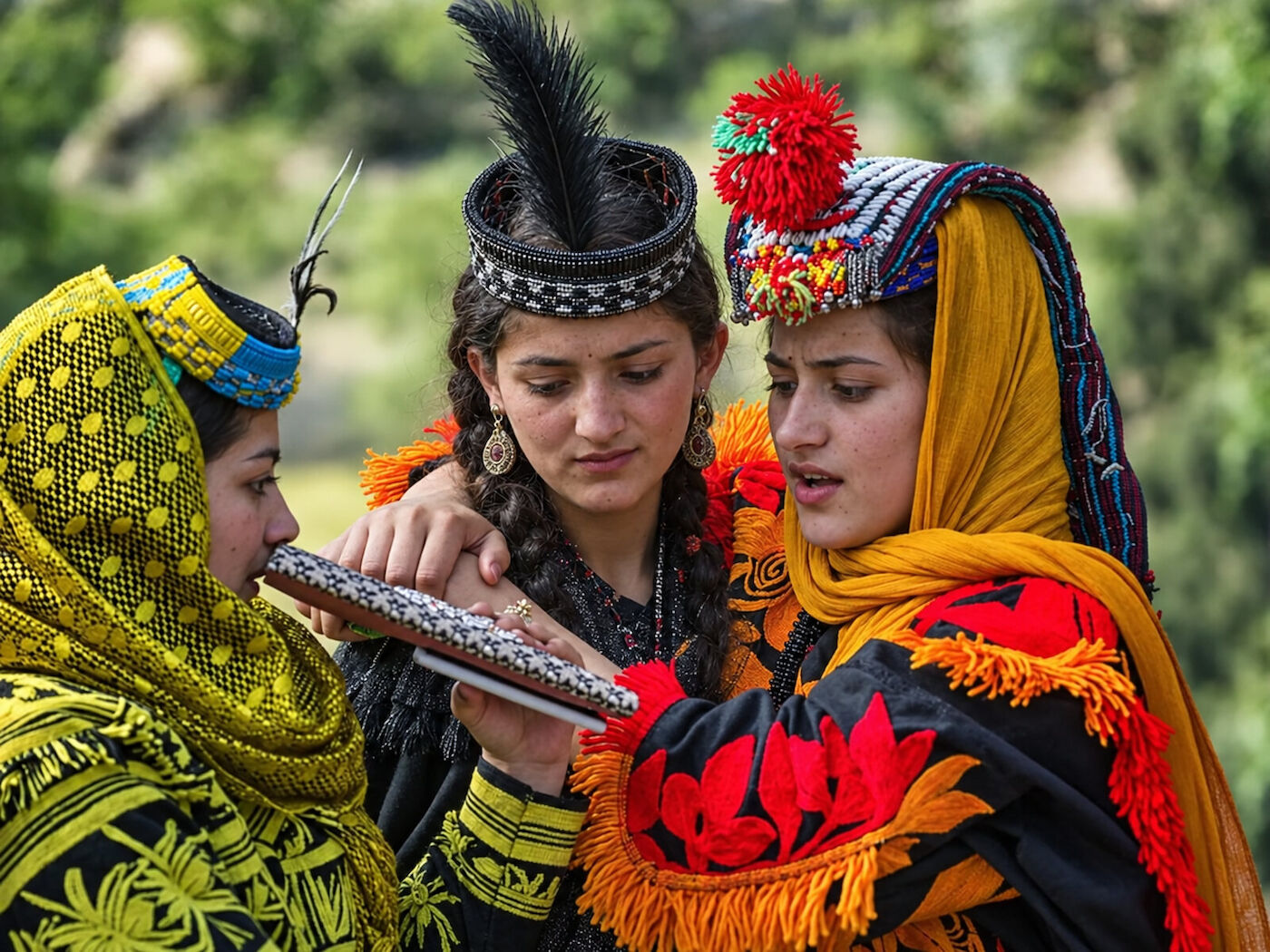
Song and spoken verse are not decoration around a culture. In much of the north they are the culture’s memory: genealogies, migrations, disputes, love, grief and law all travel in verse, in forms that hold vocabulary and grammar which everyday speech has already dropped.
They are also the first thing to go. A language can survive in the kitchen for another generation after the last person who could sing its epics has died, and by then the deepest part of it is gone.
So we record music and oral literature as performance: full pieces rather than fragments, in context where possible, with the performer named and the occasion noted. Where a piece can be translated we ask the singer to explain it in their own words rather than paraphrasing it ourselves.
None of this runs on goodwill alone
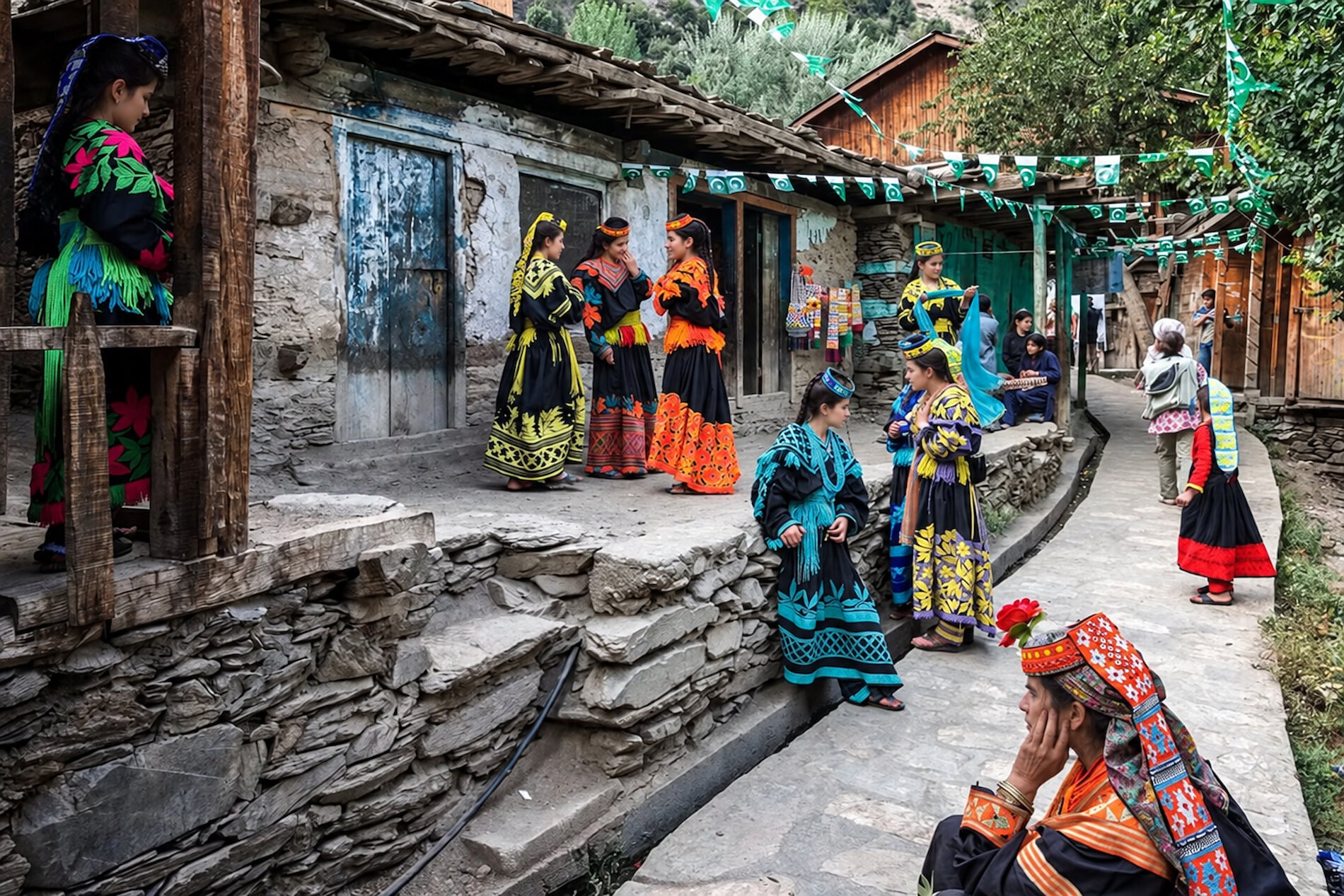
Recorders, hard drives, transcription time, fuel up a valley and a fair rate for the people who guide us. Every one of those is a real cost, and they are what the funding actually pays for.