Skip to content
Folk Whisperings
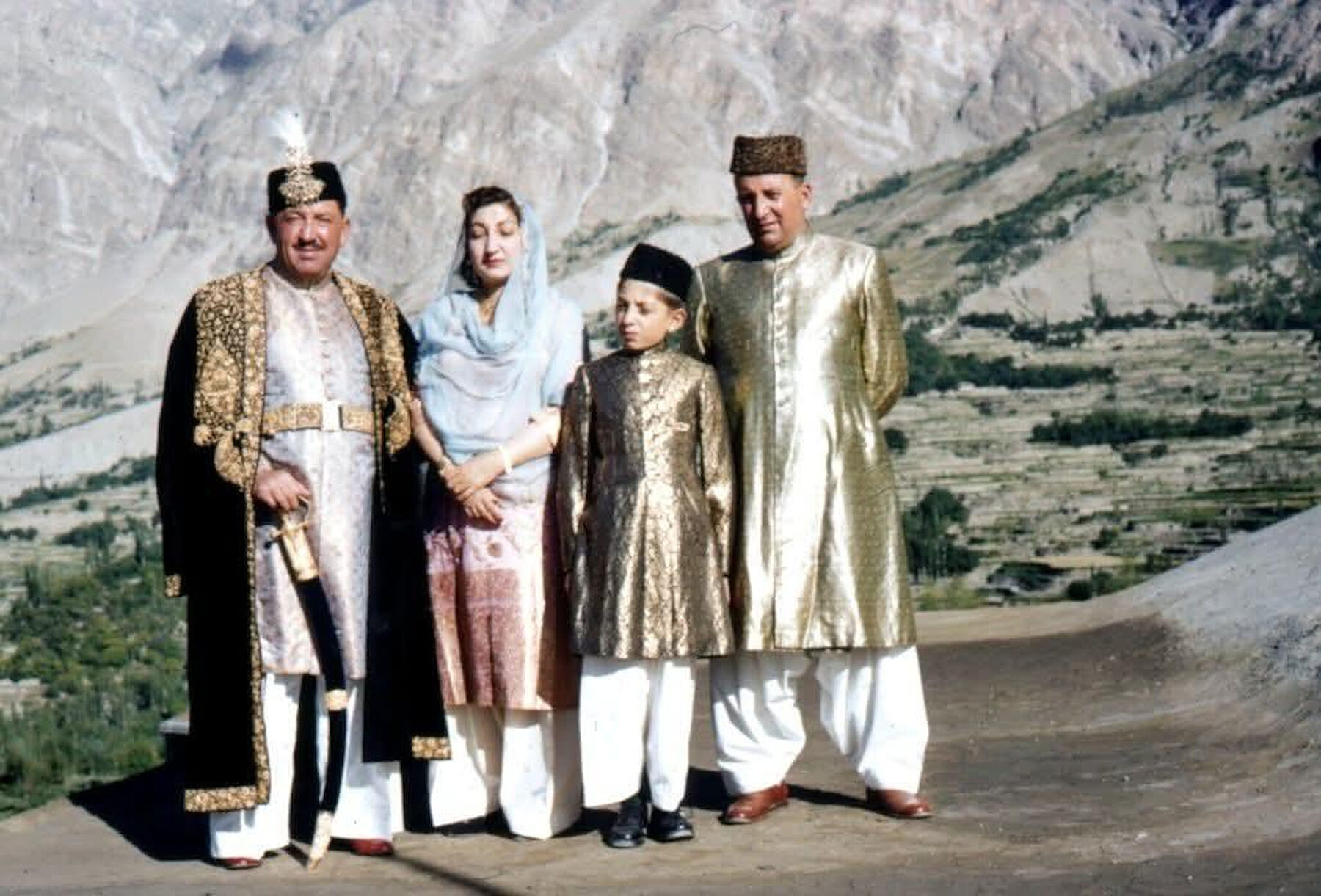
A family in gold ceremonial robes standing before the terraced slopes of the Hunza valley
← All cultures

Hunza

Hunza, Nagar & Yasin

A language with no known relatives, spoken beneath the Karakoram.

The Burusho people of Hunza and Nagar speak Burushaski, a language isolate, meaning no relationship to any other language on earth has ever been demonstrated. Not to the Indo-Aryan languages around it, not to Tibetan, not to anything. Linguists have been trying to place it for over a century without success.

That single fact tells you something about these valleys. They sit on old trade routes between the subcontinent and Central Asia, but they are also defended by terrain, and what arrived here tended to stay and change shape rather than replace what was already there.

The land

Where this happens

Hunza runs along the Hunza river beneath Rakaposhi and Ultar Sar, terraced in narrow steps wherever irrigation can be carried. The channels that feed those terraces are cut into cliff faces and maintained collectively: the single most important piece of infrastructure in the valley, and the reason settlement is possible at all. Apricot, walnut, cherry and mulberry grow on the terraces. Above them the pastures run up towards the glaciers.
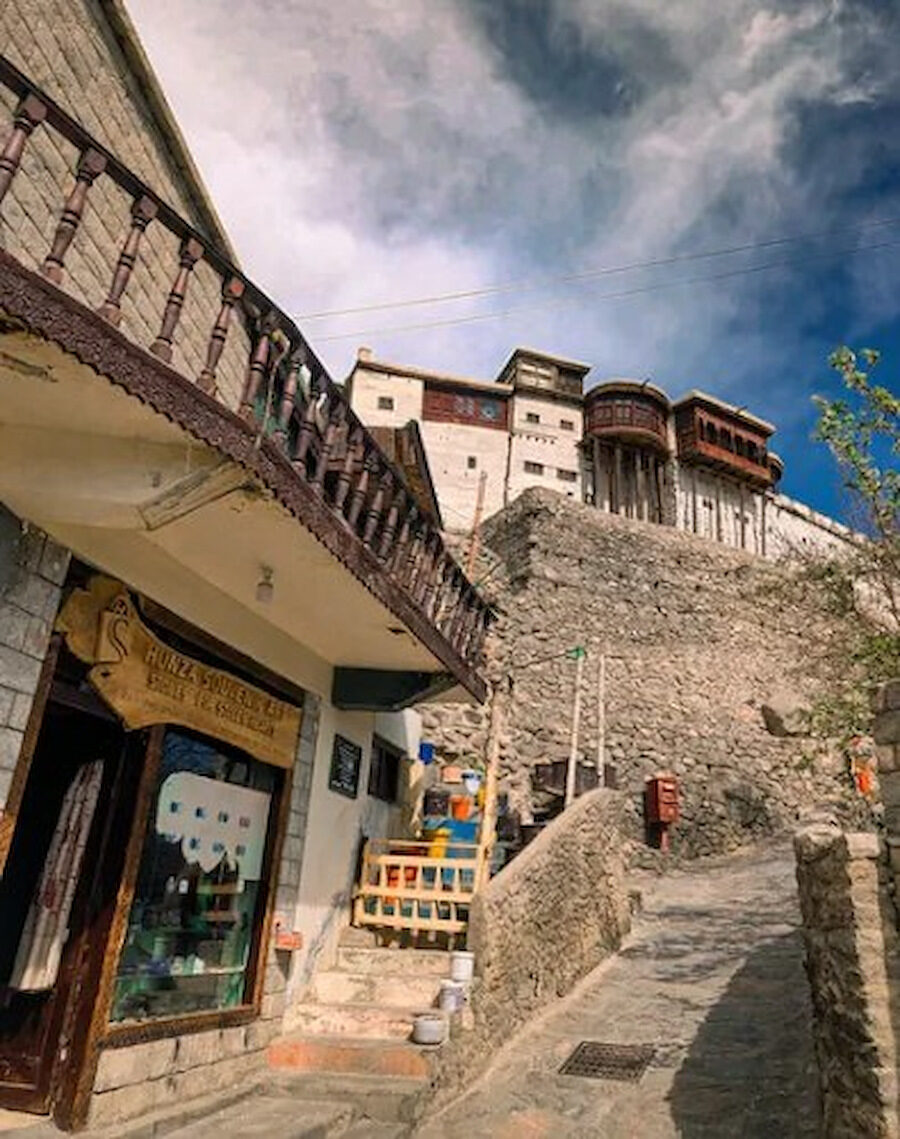
A fort standing above the bazaar street at Karimabad in Hunza

The language

One thread of many

Burushaski

Language isolate
Family
Language isolate, with no demonstrated relatives
Speakers
Roughly 90,000 across Hunza, Nagar and Yasin
Script
Historically unwritten; Perso-Arabic-based orthographies exist

The Yasin variety, sometimes called Werchikwar, differs enough from Hunza and Nagar Burushaski to be treated separately by some linguists. Being an isolate makes the language irreplaceable in a specific way: when an isolate is lost, an entire independent branch of human language goes with it, and there is nothing left to reconstruct it from.

Sample vocabulary is deliberately absent. Words and pronunciations belong to speakers, and we will not publish them from memory or guesswork.

Traditions & festivals

The turning year

  1. Early summer

    Ginani

    The harvest festival marking the first cutting of the wheat crop, when the new grain is formally allowed to be eaten.

Craft, dress & music

Made by hand

Hunza is known for the apricot above all: dried on flat roofs through the autumn, pressed for kernel oil, carried through the winter as one of the few reliable stores of sugar and fat at altitude. Alongside it: woollen weaving, the flat-topped wool cap worn by men, embroidered robes for ceremony, and the dry-stone and timber construction of the old settlements. Baltit and Altit forts above Karimabad are the surviving monumental expression of that building tradition.

Gallery

In the valleys

What’s at risk

Hunza is not a community on the edge of disappearance in the way the smaller groups are. Burushaski has tens of thousands of speakers and the valley has high literacy and strong institutions. The risk here is subtler: Urdu and English dominate schooling, out-migration for work is normal, and an isolate with no written literature depends entirely on being spoken at home. A language can be healthy in headcount and still be one generation from trouble.

Support this work